At Clyde Nettles, we get a lot of customers inquiring about metal roofs. Years ago, metal roofs seemed to be the way to go for longevity and durability. But with the technological advancements of shingles over the last 25 years, metal roofs are not always the most cost-effective way to protect your home. And while we absolutely do install metal roofs (as well as shingles), we believe you should have all of the necessary information to determine if this is the best route for your next roof replacement.
If you are considering a metal roof, we outline all of the items you will need to consider below.
1. Metal Roofs: Different Types of Installation
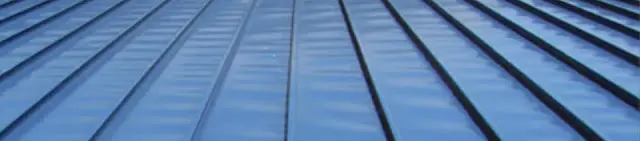
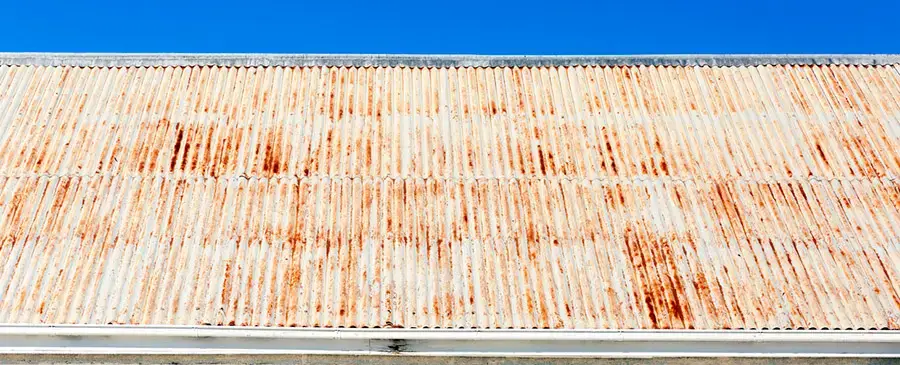
Metal roofs basically fall into two different categories: installed with screws/neoprene washers/exposed fasteners or standing seam where clips/fasteners cover the next sheet of metal. The standing seam is more expensive, as it takes more labor to install. The exposed fastener system may eventually wear out or fail in as little as 20 years (possibly causing the roof to leak).
2. Metal Roofs: Gauge or Thickness of Metal
The thinner the metal, the greater chance of it showing ripples or imperfections in the roof deck. When buying (or being quoted on) a metal roof, you need to know if the thickness is measured before or after paint is applied. When reviewing quotes, keep in mind thinner metal has a higher number. For example, a 26 gauge panel is thicker than a 29 gauge panel. Also the thinner metal is more susceptible to hail/environmental damage.